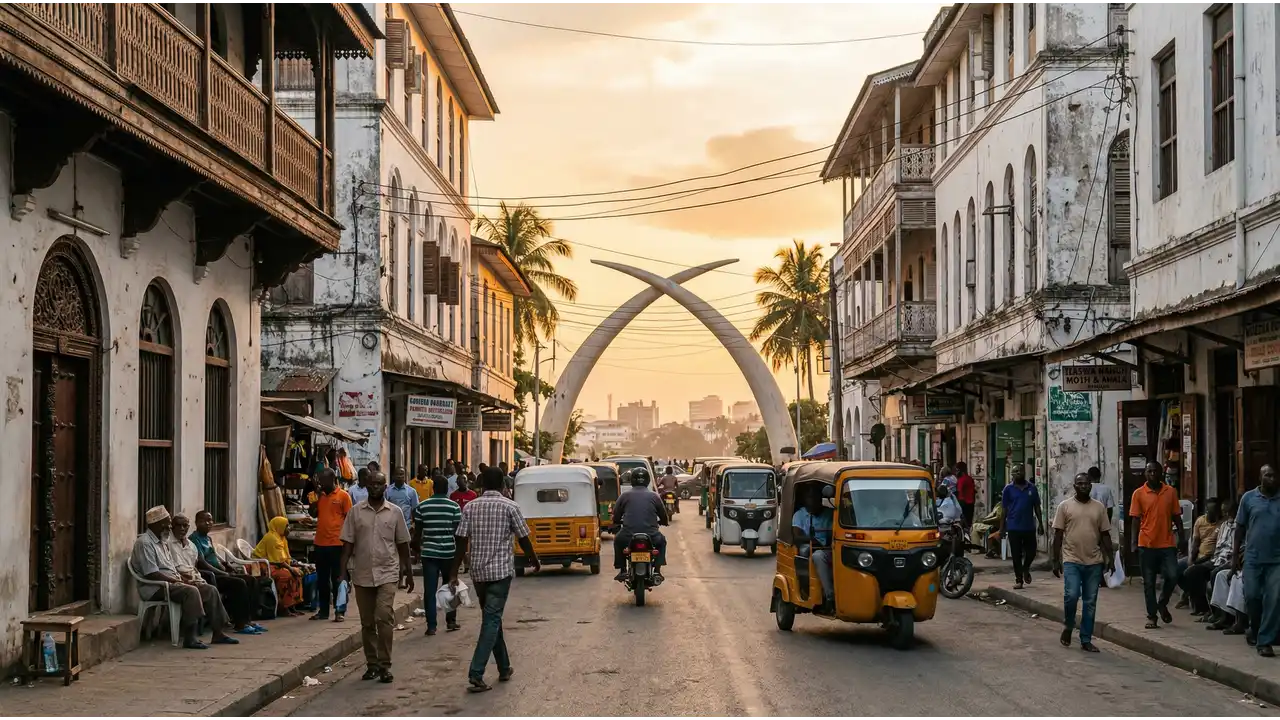
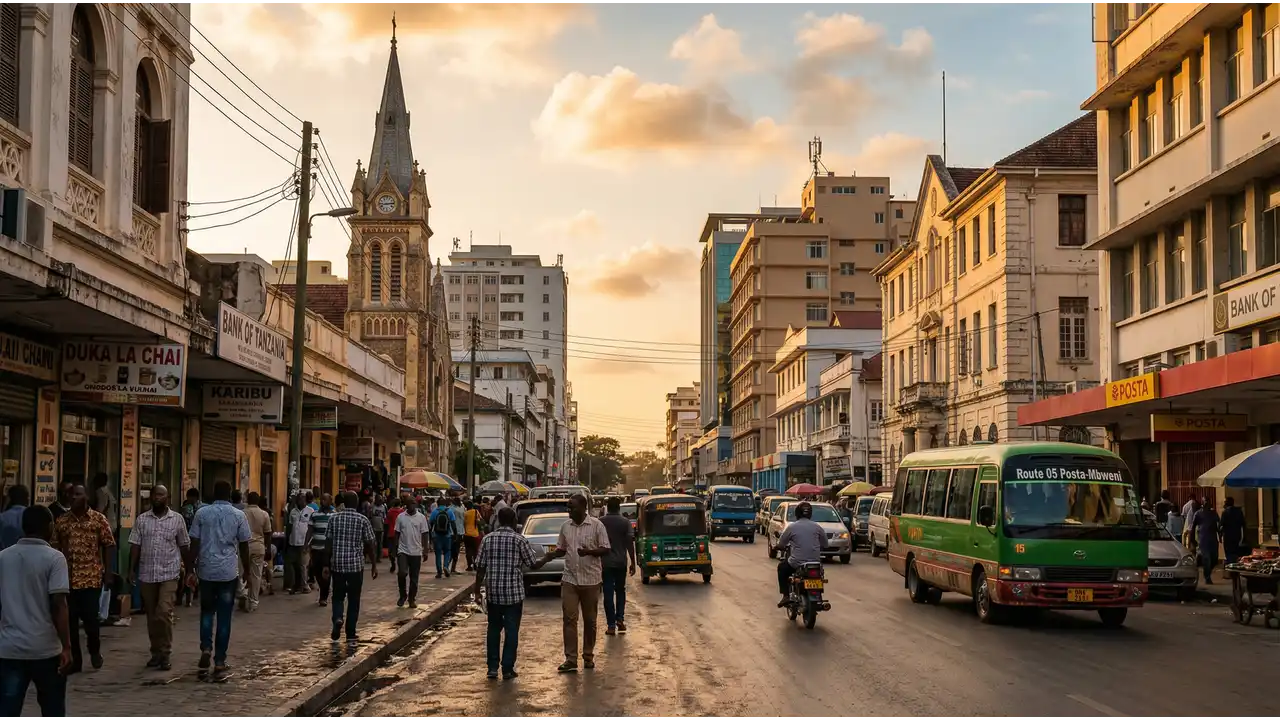
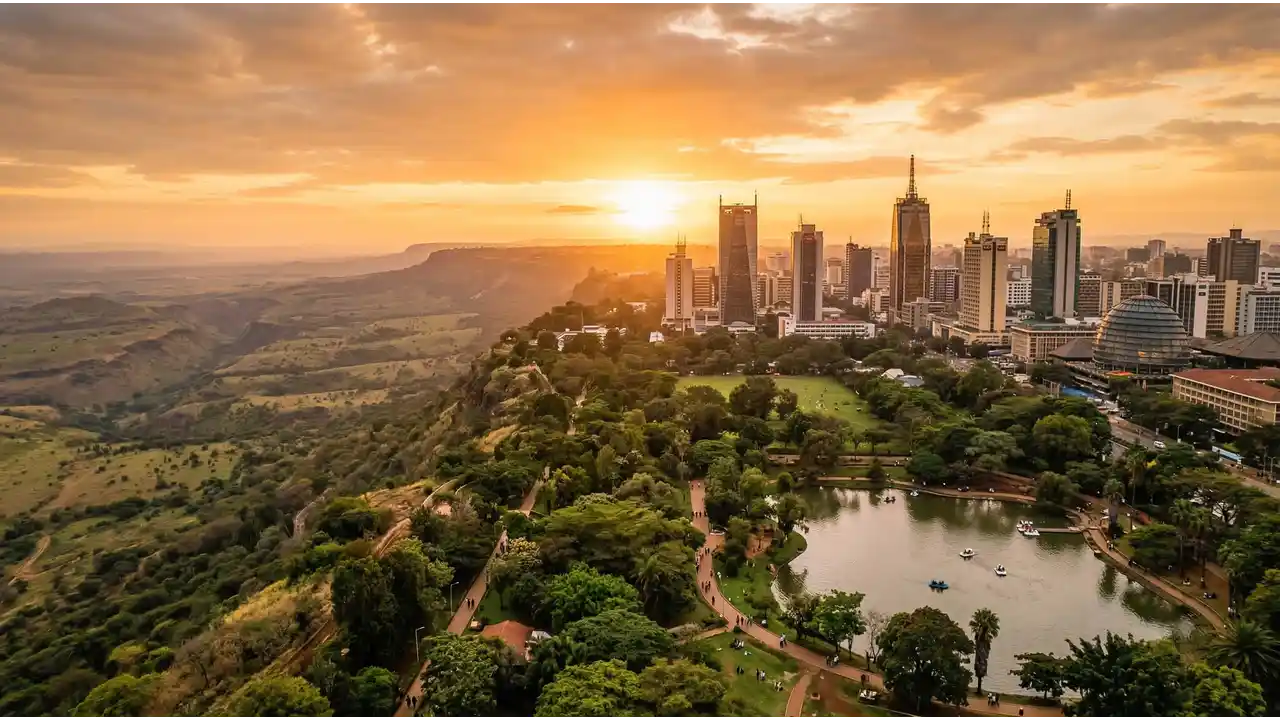
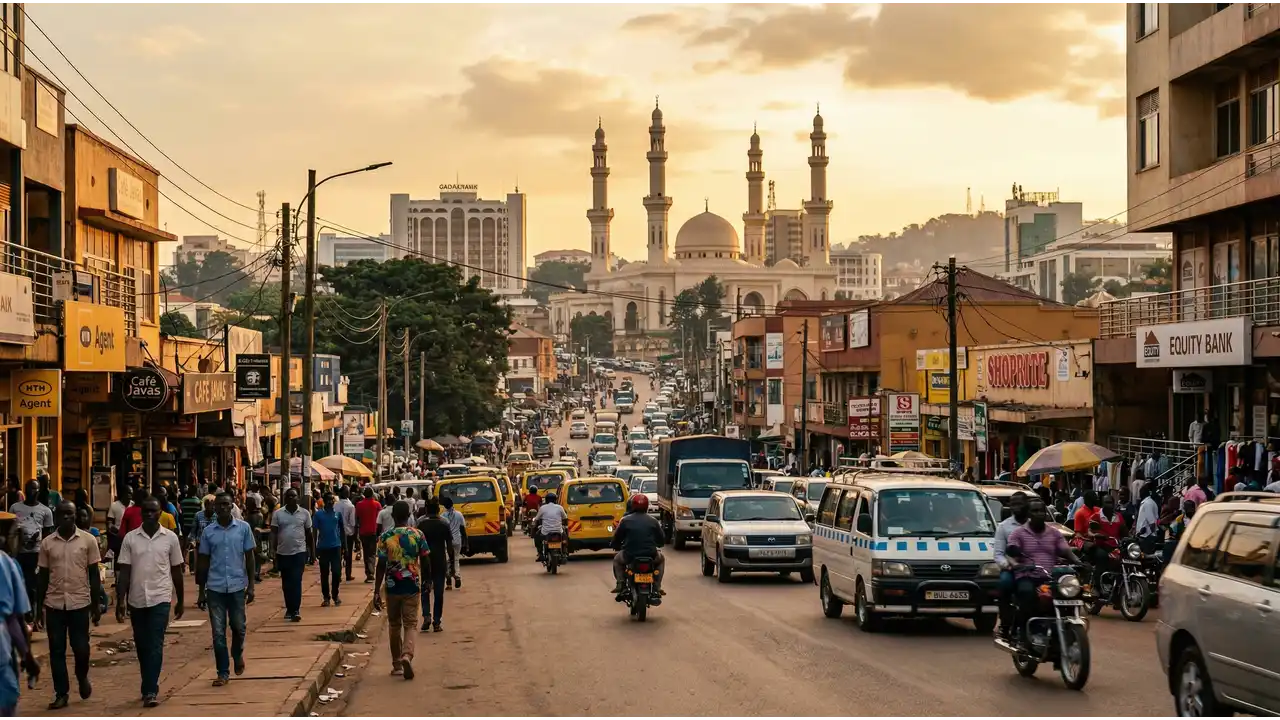
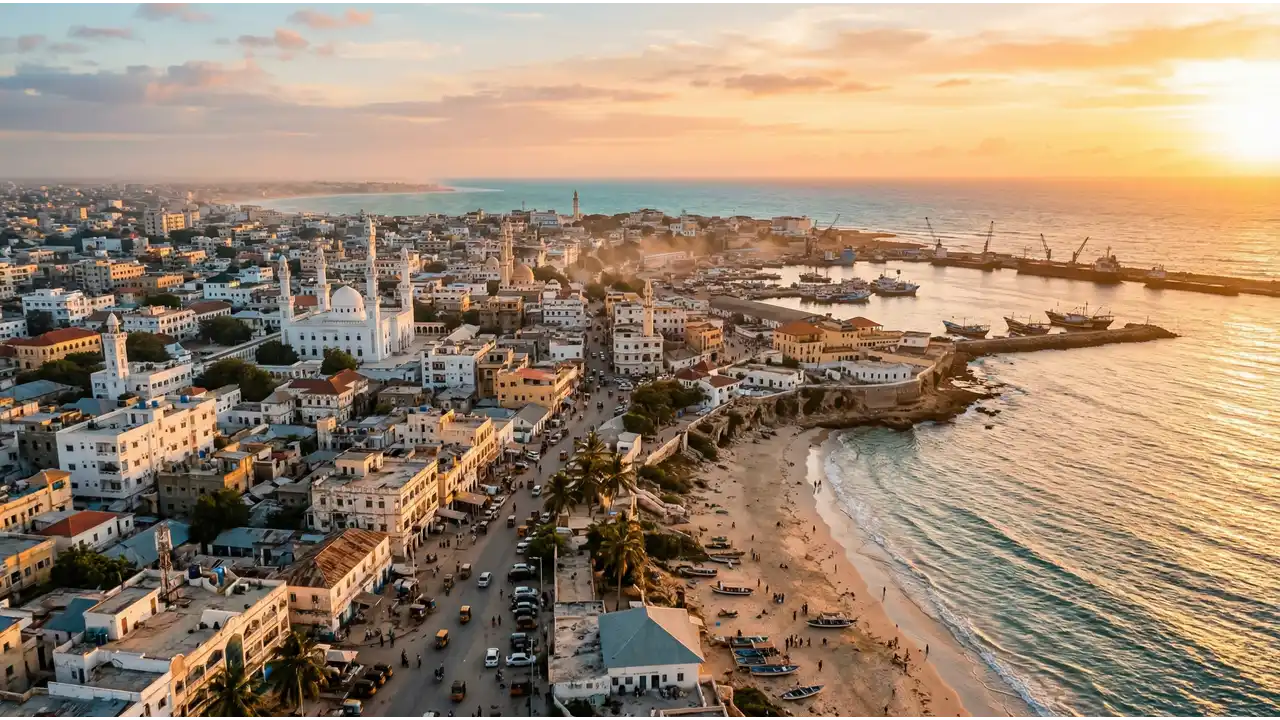
Mombasa is Kenya's primary port city and second-largest urban center, sitting on the Indian Ocean coast. The population is ethnically diverse, with Swahili and Arabic cultural influences visible in the Old Town's narrow streets, stone buildings, and mosques. Daily life centers on commerce, fishing, and tourism. The climate is hot and humid year-round, with heavy rains April through May and October through November. Power cuts happen regularly. Most expats and affluent locals live in neighborhoods like Nyali or the North Coast. Daily rhythms are slower than Nairobi, with less traffic congestion but also fewer services and amenities. English is widely spoken in business and tourism sectors, though Swahili is the street language.
💡 Local Insights
Mombasa · 2026
Mombasa is substantially cheaper than Nairobi or Dar es Salaam, but prices vary sharply by neighborhood and whether you shop like a local or seek imported goods. The $320/month housing figure shown is Kenya's national average, inherited by Mombasa because the city has no separate rent measurement. On the ground, a furnished one-bedroom apartment in Nyali or Likoni rents for $400 to $700/month; in less touristy areas like Changamwe, $250 to $400. Utilities (water, power, internet) add $30 to $60/month and are often unstable. Groceries at $155/month assumes local markets (Mbezi, Digo Road) rather than supermarkets like Nakumatt. A loaf of bread costs $0.50, eggs $1.50/dozen, chicken $3 to $4/kg. Imported goods (cheese, wine, Western cereals) double or triple prices. Minibuses (matatus) are the main transport, costing $0.30 per ride; taxis run $2 to $5 depending on distance. Many expats drive motorbikes to cut costs. Eating at local restaurants (ugali, beans, fish) runs $1.50 to $3 per meal; Western cafes charge $5 to $10. Healthcare and education, if private, are not cheap.
Frequently Asked Questions
How much does it cost to live in Mombasa per month?
A moderate lifestyle costs around $800/month. This breaks down roughly as: housing $320 (inherited from Kenya's national figure), groceries $155, transport $40 to $60, utilities $40 to $60, and meals out plus personal care and entertainment filling the remainder. The budget tier (bare essentials) runs $480/month, while comfortable living with some travel and dining out reaches $1,240/month. Actual costs depend heavily on whether you shop at local markets, live in expat-preferred neighborhoods, and how much you rely on imported goods versus local products.
What is the average rent in Mombasa?
The $320/month housing figure displayed is Kenya's national average, inherited unchanged by Mombasa because the city has no separate rent measurement of its own. In practice, Mombasa rents vary widely by location. A furnished one-bedroom in Nyali (the main expat district) or Likoni runs $400 to $700/month. Changamwe and other less touristy areas are cheaper, typically $250 to $400/month. Unfurnished rentals cost less, around $200 to $400. Utilities (power, water, internet) add another $30 to $60/month. Longer leases (12 months) often attract a 10 percent discount. Most landlords accept payment in US dollars, though Kenyan shillings are standard.
Is Mombasa cheap to live in for expats?
Yes, relative to Western cities and even to Nairobi, but with caveats. An expat accustomed to US or European costs will find rent and food inexpensive if willing to live locally and shop at markets. However, expats often gravitate toward Nyali's established infrastructure (reliable power, internet, security), which commands higher prices. Imported goods, private healthcare, private schools, and regular international travel quickly erode the cost advantage. Expect to spend $1,200 to $1,800/month for a comfortable expat lifestyle with a decent apartment, car rental or taxi use, and occasional dining out. Frugal expats managing local market shopping and public transport can work on $800 to $1,000.
How much does food cost per month in Mombasa?
Groceries for one person cost around $155/month if you shop at local markets and eat primarily local staples. A loaf of bread runs $0.50, eggs $1.50/dozen, chicken $3 to $4/kg, rice $0.80/kg, beans $0.70/kg, tomatoes and onions $0.50 to $1/kg. Imported items (cheese, yogurt, cereal, wine) are double or triple the price. Eating at local restaurants costs $1.50 to $3 per meal (ugali with beans or fish, sukuma wiki). Western cafes and tourist areas charge $5 to $10 per meal. A family of three eating entirely from markets spends roughly $450/month; mixed local and occasional restaurant meals, $600 to $800.
What salary do you need to live comfortably in Mombasa?
Comfortable living in Mombasa runs approximately $1,240/month. This budget covers a decent one-bedroom or two-bedroom apartment in a safe neighborhood, reliable utilities, regular meals both at home and out, regular local transport or occasional taxi use, basic entertainment and social activities, and some savings. In shillings, that is roughly 155,000 KES per month (exchange rates vary). Most employed expats earn $1,500 to $2,500/month to maintain this comfort level while also covering travel home, insurance, and unexpected costs. Salaried professionals in tourism, port operations, or NGOs typically fall in this range. Remote workers earning in USD or EUR with lower local expenses can live well on less.
How does the cost of living in Mombasa compare to other places?
Mombasa is moderately priced for East Africa. A moderate lifestyle costs $800 per month here, with housing running $320 per month. That puts it slightly above Antananarivo, where a moderate lifestyle is $750 monthly and housing is $303, making the two cities close peers. Cairo is noticeably cheaper at $575 for a moderate lifestyle and $213 for housing, though it's a larger capital with different economic dynamics. By contrast, Kigali runs considerably higher at $1,100 monthly for a moderate lifestyle, with housing at $652. Within the region, Mombasa sits in the middle range. Your money stretches further here than in Rwanda's capital but not as far as in Egypt's. Local factors like proximity to the port, tourism infrastructure, and import dependence keep costs moderate rather than low.
Yes, but with strict tradeoffs. The budget tier of $480/month covers bare essentials: a small room or shared apartment in a local area (Changamwe, Mjambazi), basic groceries, minimal transport, no dining out, no entertainment, and no buffer for medical emergencies or repairs. You would shop entirely at markets, cook all meals, use matatus only, and skip internet or phone data. This works for long-term volunteers, students with housing provided, or people supported by family remittances. Expats and any professional seeking stability, reliable housing, or occasional comfort should budget higher. A realistic minimum for independent living with dignity is $600 to $800/month.