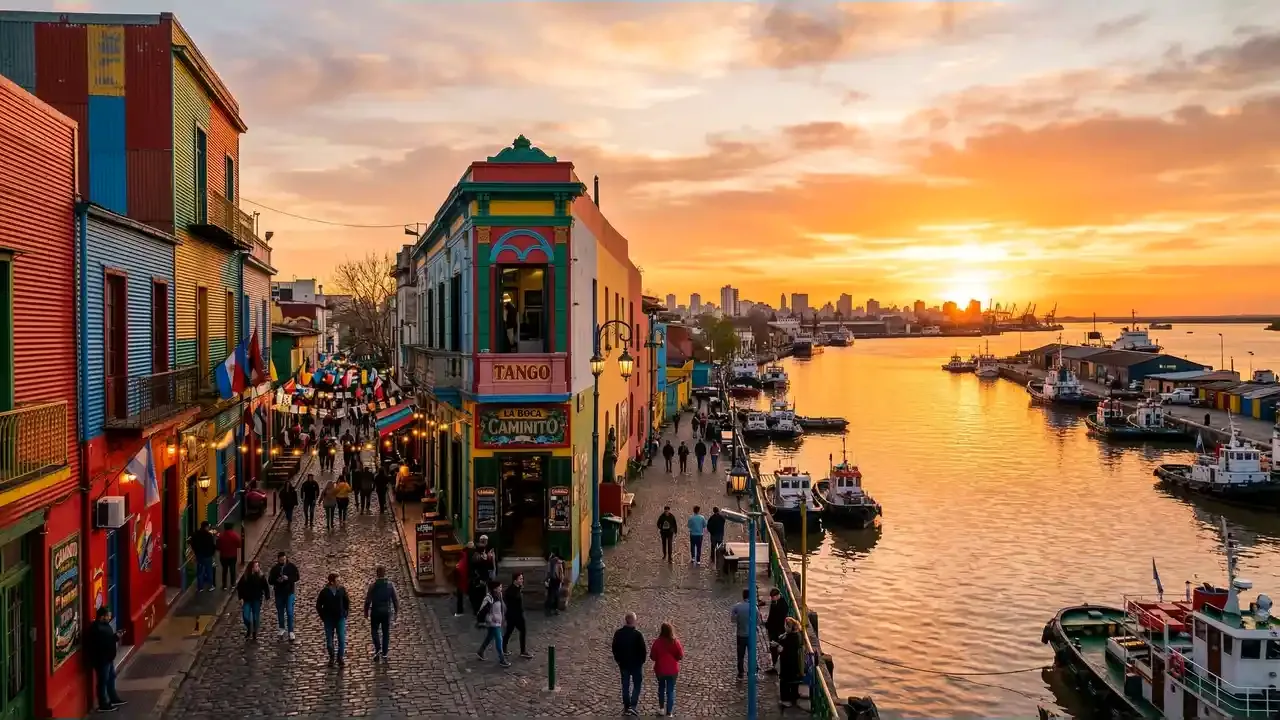
South Africa is a country of sharp contrasts. You'll find modern cities like Johannesburg and Cape Town alongside vast rural areas, with a population of nearly 60 million spread across nine provinces. The climate ranges from Mediterranean in the Cape to subtropical in KwaZulu-Natal. Daily life involves navigating a mix of formal and informal economies, where pricing often splits between local and expat rates. Infrastructure is solid in major urban centers but variable elsewhere. Crime is a real factor in certain areas, though many neighborhoods are safe and well-maintained. English is widely spoken alongside Afrikaans and other local languages.
💡 Local Insights
South Africa · 2026
A moderate lifestyle in South Africa costs around $1,175 per month, though this varies significantly by city and neighborhood. Housing runs about $533 per month, but this depends heavily on location and property type. In Johannesburg's northern suburbs like Sandton or Rosebank, a one-bedroom apartment rental can reach $700 to $1,000, while identical units in outer areas or smaller cities cost $350 to $500. Groceries average $207 per month for a single person buying locally, with prices lowest at Pick n Pay or Shoprite. Expats often spend 20 to 40 percent more on imported goods and dining out. Transport costs are minimal if you use minibus taxis (cheap but crowded), moderate with ride-sharing apps like Uber, or higher if you own a car and pay for petrol and insurance. Utilities (electricity, water, internet) add $60 to $120 monthly. The biggest expat mistake is eating imported food and using paid transport exclusively, which inflates budgets dramatically. Local pricing at markets and using public transit keeps costs down.
Frequently Asked Questions
How much does it cost to live in South Africa per month?
A moderate lifestyle costs $1,175 per month. This breaks down roughly as: housing $533, groceries $207, utilities $80 to $120, transport $40 to $80, and personal care and entertainment $135 to $155. A budget tier costs around $705 per month (housing, basic food, minimal transport, no dining out). A comfortable lifestyle with more discretionary spending runs $1,821 per month. Actual costs shift significantly by city. Cape Town and Johannesburg are more expensive than Durban or Pretoria. Expats typically spend more than locals due to imported goods and restaurant habits.
What is the average rent in South Africa?
Average rent is roughly $533 per month, though this varies by neighborhood and city. In Johannesburg's Sandton or Rosebank, expect $700 to $1,000 for a one-bedroom apartment. In Pretoria or smaller cities, one-bedroom flats rent for $350 to $500. Cape Town's City Bowl and Sea Point areas command $600 to $900, while southern suburbs like Constantia are $500 to $700. Durban beachfront apartments run $400 to $650. Outside city centers, prices drop to $250 to $400. Furnished rentals cost 15 to 25 percent more than unfurnished. Most leases are annual with deposits equal to one month's rent. Check Gumtree or Property24 for current listings in your target area.
Is South Africa cheap to live in for expats?
Yes, relative to Western Europe or North America, but less so than Southeast Asia. South Africa offers good value if you adopt local habits: shop at chain supermarkets, use minibus taxis or Uber, avoid imported foods. A moderate expat budget of $1,200 to $1,500 per month is achievable in Johannesburg or Cape Town. However, expats often spend more because they avoid taxis, eat at restaurants frequently, and buy imported goods. Healthcare for expats requires private insurance (medical aid), adding $150 to $400 monthly. Cost of living is comparable to Portugal or Mexico for expats, lower than Australia or Canada, and higher than Thailand or Vietnam.
How much does food cost per month in South Africa?
Groceries for one person average $207 per month. A typical weekly shop at Shoprite or Pick n Pay (chicken R120 per kg, milk R18 per liter, bread R10 per loaf, eggs R30 per dozen, local vegetables R8 to R15 per item) runs $40 to $50. Eating out is cheaper than Western countries: a plate of lunch at a local restaurant costs $4 to $8, a coffee $2 to $3, beer $2 to $4. Expats often spend 30 to 50 percent more by eating at international restaurants and buying imported foods. Street food and local township eateries are the cheapest option. Food inflation has risen but remains moderate compared to developed economies.
What salary do you need to live comfortably in South Africa?
A comfortable lifestyle costs approximately $1,821 per month, or roughly $21,850 annually. This budget allows for a nice one or two-bedroom apartment, regular dining out, private transport or frequent ride-sharing, household help (a cleaner 2 to 3 times weekly), private health insurance, and leisure activities. For expats, add $150 to $300 monthly for international health coverage. If you work remotely or are on a visa, a gross monthly income of $2,200 to $2,500 provides a cushion for taxes and savings. Many expats live comfortably on $1,500 to $1,800 by avoiding expensive restaurants and imported goods. Local South Africans earning the equivalent of $1,200 to $1,600 per month are considered middle-class.
How does the cost of living in South Africa compare to other places?
South Africa is moderately priced for the continent. A moderate lifestyle costs $1,175 per month, with housing running $533 monthly. This puts it slightly cheaper than Cameroon, where the same lifestyle reaches $1,225 with housing at $466. You'll find South Africa noticeably more expensive than Kenya, which runs $800 monthly overall and $320 for housing. The DR Congo is the pricier option at $1,675 for a moderate lifestyle and $637 for housing. Your actual costs will depend heavily on which city you choose. Urban centers like Johannesburg and Cape Town skew higher than smaller towns. If you're coming from Western Europe or North America, South Africa will feel affordable. From other African countries, it's a moderate jump upward, particularly for housing and imported goods.
Yes, but it requires discipline and local adaptation. This budget tier covers basic housing ($350 to $400), groceries ($150 to $180), and minimal transport ($60 to $80). It assumes no car, minimal dining out, no private health insurance, and no entertainment spending. You would live in an outer suburb or smaller city, shop only at discount supermarkets, and rely on minibus taxis or walking. Internet and phone are cheap ($10 to $20). Utilities add another $40 to $60. This budget leaves almost nothing for emergencies, new clothes, or healthcare beyond government clinics. It is doable for locals and committed expats but offers no margin for error. Most expats on this budget struggle with isolation and stress.