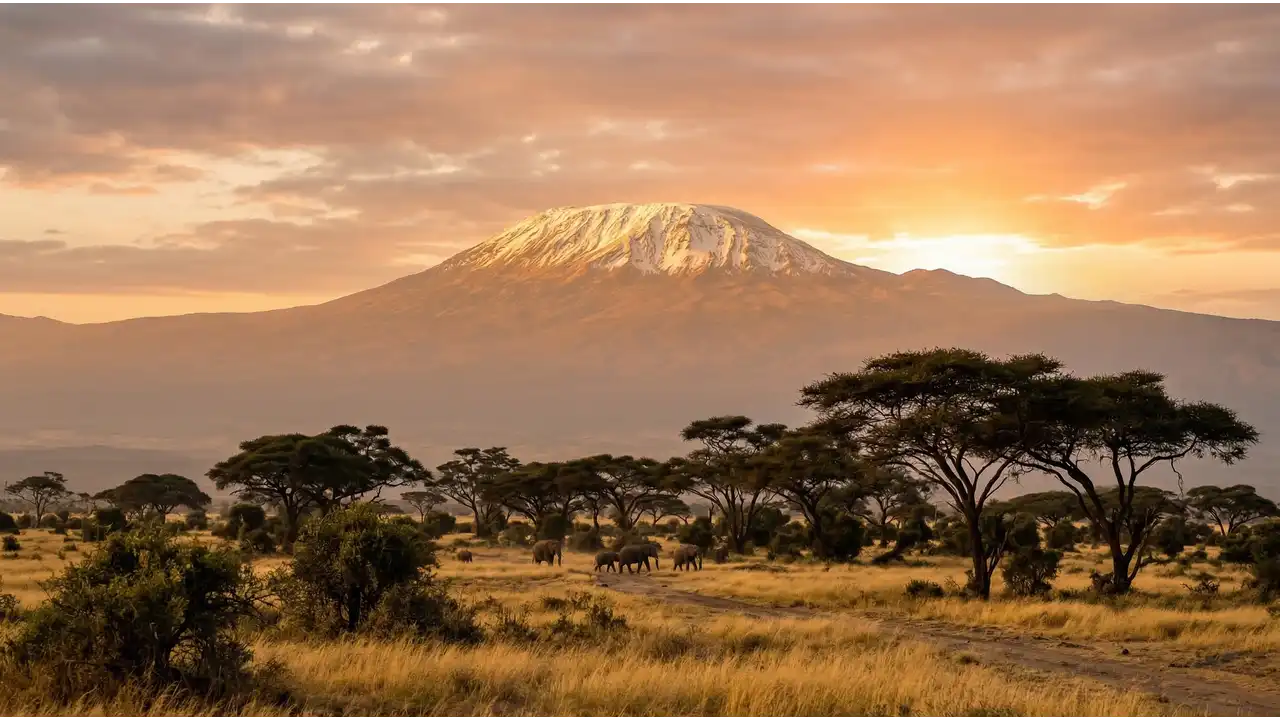
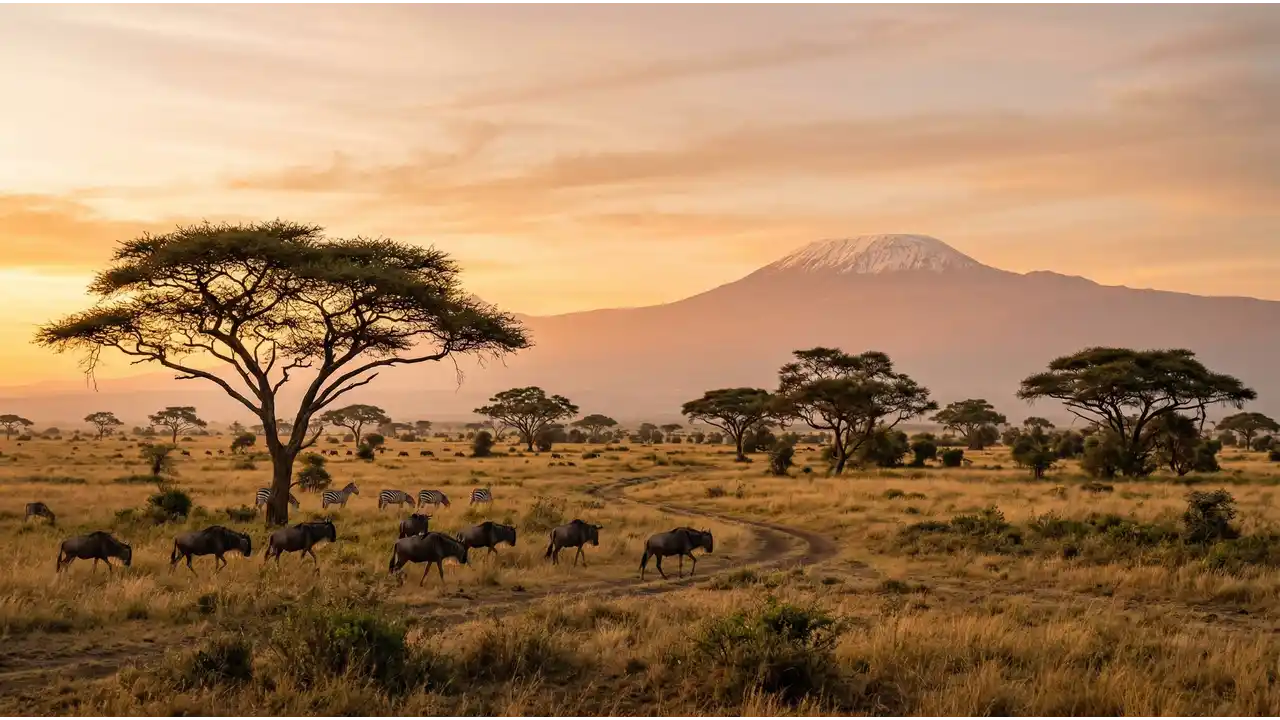
Tanzania is an East African country of about 60 million people, with Dar es Salaam as the largest city and Dodoma as the capital. The climate is tropical along the coast and temperate in highland regions. Daily life centers on informal commerce, public transport (daladala minibuses), and strong community ties. Most residents are Swahili-speaking, though English is widely used in business and education. The pace is slower than Western cities, infrastructure varies by neighborhood, and power outages occur regularly. Food markets are lively, street food is common, and informal employment dominates. Expat communities exist mainly in Dar es Salaam and Arusha, where international schools and restaurants cater to foreign workers.
💡 Local Insights
Tanzania · 2026
Tanzania costs significantly less than Western cities, but expat expenses often exceed local averages due to housing choices and imported goods. Housing typically runs $369/month and depends heavily on location and accommodation type. A modest one-bedroom apartment in a local neighborhood costs $200-300/month; expat-oriented areas or furnished flats in central Dar run $500-700/month. Groceries for one person average $155/month when shopping at local markets and eating primarily Tanzanian food (rice, beans, vegetables, local fish). Imported goods cost 2-4 times more. Transport is cheap: daladala rides cost $0.30-0.50, though reliability varies. Electricity and water bills run $30-60/month. Eating out at local restaurants costs $2-5 per meal; expat-oriented cafes charge $8-15. Healthcare and international school fees drive costs up sharply for expats with families. Negotiating prices at markets is standard practice. Currency fluctuations affect expat budgets significantly since salaries are often USD-based but costs are in Tanzanian shillings.
Frequently Asked Questions
How much does it cost to live in Tanzania per month?
A moderate lifestyle in Tanzania costs around $850/month for one person. This breaks down as approximately $369 for housing (rent or mortgage payment), $155 for groceries, and the remainder covering utilities ($30-60), transport ($20-40), and discretionary spending. The budget tier of $510/month covers essentials for someone living locally and avoiding expat-focused services. Costs vary based on which city you choose, your housing standards, and whether you buy imported versus local goods. Dar es Salaam is the most expensive city, while smaller towns like Moshi or Iringa run cheaper.
What is the average rent in Tanzania?
Average rent in Tanzania is approximately $369/month. A basic one-bedroom apartment in a local Tanzanian neighborhood in Dar es Salaam runs $200-350/month. Furnished flats in expat-oriented areas or central business districts cost $450-650/month. In secondary cities like Arusha or Moshi, rent is lower: $150-280/month for similar space. House prices and lease terms vary by neighborhood, property condition, and demand from foreign workers. Most landlords prefer annual contracts paid upfront. The best deals are found by connecting through local networks or employers rather than international real estate sites, which list inflated prices.
Is Tanzania cheap to live in for expats?
Yes, Tanzania is significantly cheaper than North America, Western Europe, or developed Asia. A moderate lifestyle costs $850/month, roughly half what you'd spend in many US cities. However, expat costs often exceed local averages because expats tend to live in furnished apartments, buy imported groceries, use private transport, and pay for international schools or healthcare. An expat couple with a child might realistically spend $2,000-2,500/month for a comfortable lifestyle with these services. For digital nomads or solo expats living locally, Tanzania offers genuine affordability. Salary expectations are much lower than Western countries, so employment-based moves require careful financial planning.
How much does food cost per month in Tanzania?
Groceries average $155/month for one person eating a local diet. This includes staples like rice, ugali (cornmeal), beans, sweet potatoes, local vegetables, and fresh fish or chicken from markets. Tomatoes, onions, and bananas are cheap year-round. Imported goods (cheese, processed foods, international brands) cost double or triple local equivalents. Eating out at local street food stalls or small restaurants costs $2-5 per meal. Expat-oriented cafes and restaurants charge $8-20+ per dish. Dar es Salaam's central markets offer the lowest prices; supermarkets cater to expats and charge more. Budget roughly $5-7/day for food if cooking at home, $10-15 if eating prepared meals.
What salary do you need to live comfortably in Tanzania?
A comfortable lifestyle in Tanzania costs approximately $1,318/month for one person. This allows for decent housing, reliable utilities, regular restaurant meals, occasional travel, and personal services. For a couple or family, add $300-500/month per additional person. Expats with children attending international schools should budget $2,000-3,500/month to cover tuition, housing, transport, and healthcare. Local employment salaries are substantially lower: skilled professionals earn $400-800/month, while unskilled work pays $150-300/month. Most expats working in Tanzania are on international packages (teaching, NGO work, corporate roles) that provide additional allowances for housing and education. Remote work earning USD or EUR gives significant purchasing power.
How does the cost of living in Tanzania compare to other places?
Tanzania is moderately priced by East African standards. A moderate lifestyle costs $850 per month, with housing at $369 per month. Kenya runs slightly cheaper overall at $800 per month, though its housing costs $320 per month, only marginally below Tanzania's. If you're coming from Egypt, Tanzania will feel noticeably more expensive. Egypt's moderate lifestyle is $550 per month with housing at $209 per month. South Africa, by contrast, is substantially dearer at $1,175 per month for a moderate lifestyle and $533 per month for housing. For most travelers and expats from Western countries, Tanzania offers genuine affordability. Compared to other East African destinations, your money stretches roughly the same distance as in Kenya, making it a reasonable choice if you're deciding between the two.
Yes, you can live on $510/month, but only by adopting a local lifestyle fully. This means renting a basic one-bedroom apartment ($150-250/month), buying food at markets and cooking at home ($100-120/month), using public daladala transport ($15-20/month), and avoiding restaurants, entertainment, and imported goods. You would have minimal discretionary spending. This budget works for long-term residents or digital nomads with flexibility, not for families or those wanting regular expat services. Emergencies drain this budget quickly. Many people live this way in Tanzania, but expats accustomed to comfort will find it restrictive. It requires language skills, local connections, and patience with infrastructure challenges.